The people of South Sudan took up arms because they were denied justice. The SPLM Manifesto calls justice “the ultimate virtue and guiding principle of a legitimate state”, and the Party's commitment to the rule of law follows directly from that history: a state in which power is limited by law, rights are protected by independent courts, and every citizen, including those in authority, is equal before the law.
Since independence, the SPLM has led the building of the Republic's courts, police, legislatures and legal institutions across all ten states and three administrative areas. The SPLM's programme sets out the principles that guide this work as it continues.
A constitutional, multiparty democracy
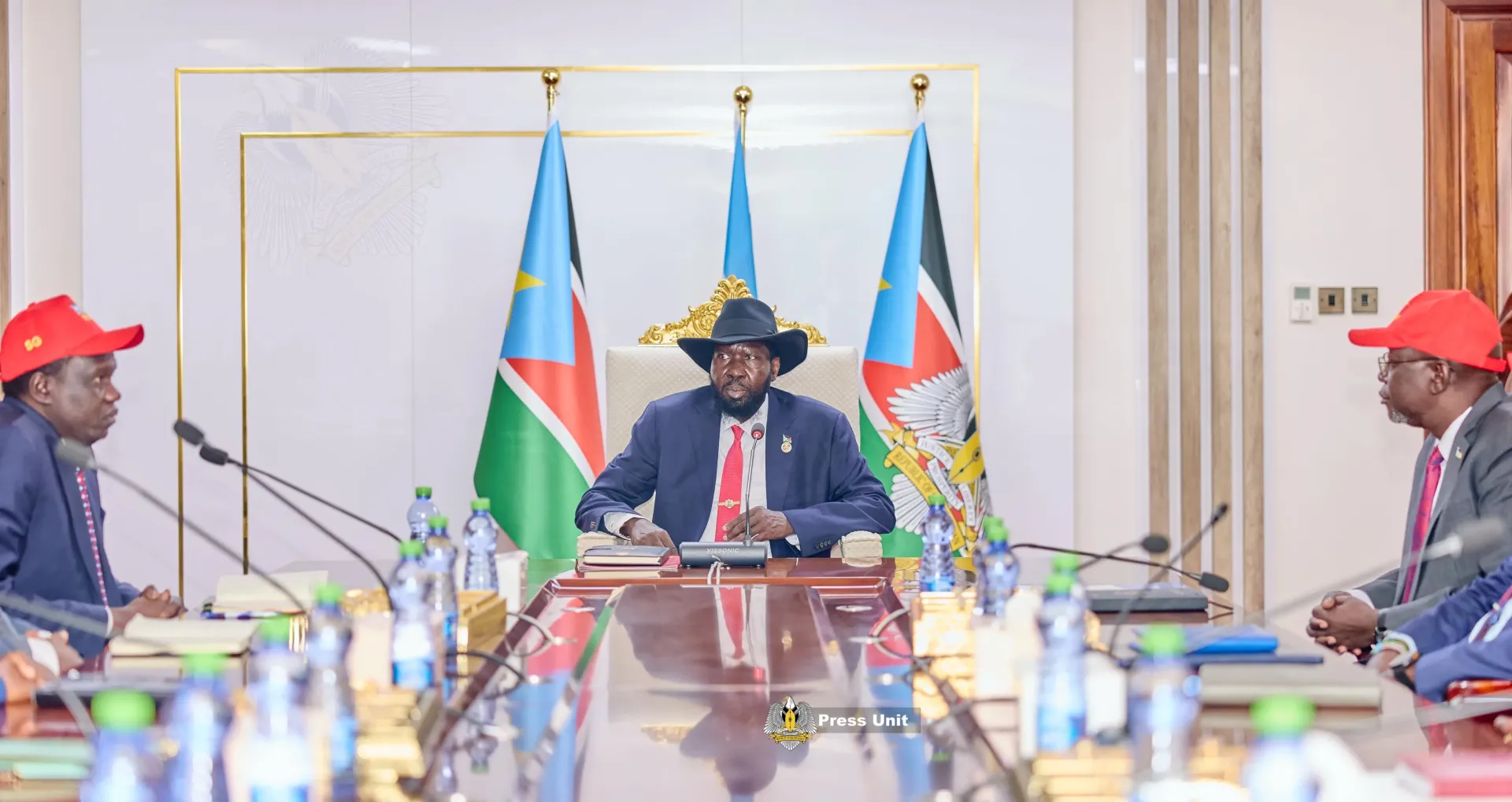
The SPLM is committed to a democratic multiparty system of governance in which the rights and freedoms of all citizens are secured and protected by the Constitution. The Constitution of the Republic of South Sudan shall be secular and the supreme law of the land. The executive, the legislature and the judiciary shall each respect the separation of powers within their own spheres, as the Constitution defines them.
Our priorities
- An independent judiciaryGuaranteeing the independence of the judiciary and full adherence to the tenets of the rule of law, so that justice is administered without fear or favour.
- Free and fair electionsPeaceful transfer of executive and legislative power through regular, predictable and fair presidential, parliamentary and local elections.
- Rights of minoritiesUpholding and respecting the rights of minorities, and guaranteeing their representation and participation in the life of the country.
- State and religion separateTolerance and respect for religious diversity, freedom of worship for all faiths, and no exclusion from public office on the basis of religion.
- Accountable law enforcementFull implementation of the laws governing law enforcement agencies, and stronger police capacity to protect people's rights, lives and property.
- The right to redressProcedural justice and administrative law that give citizens and communities the right to challenge unlawful state decisions and seek remedy.
The ballot as the source of power
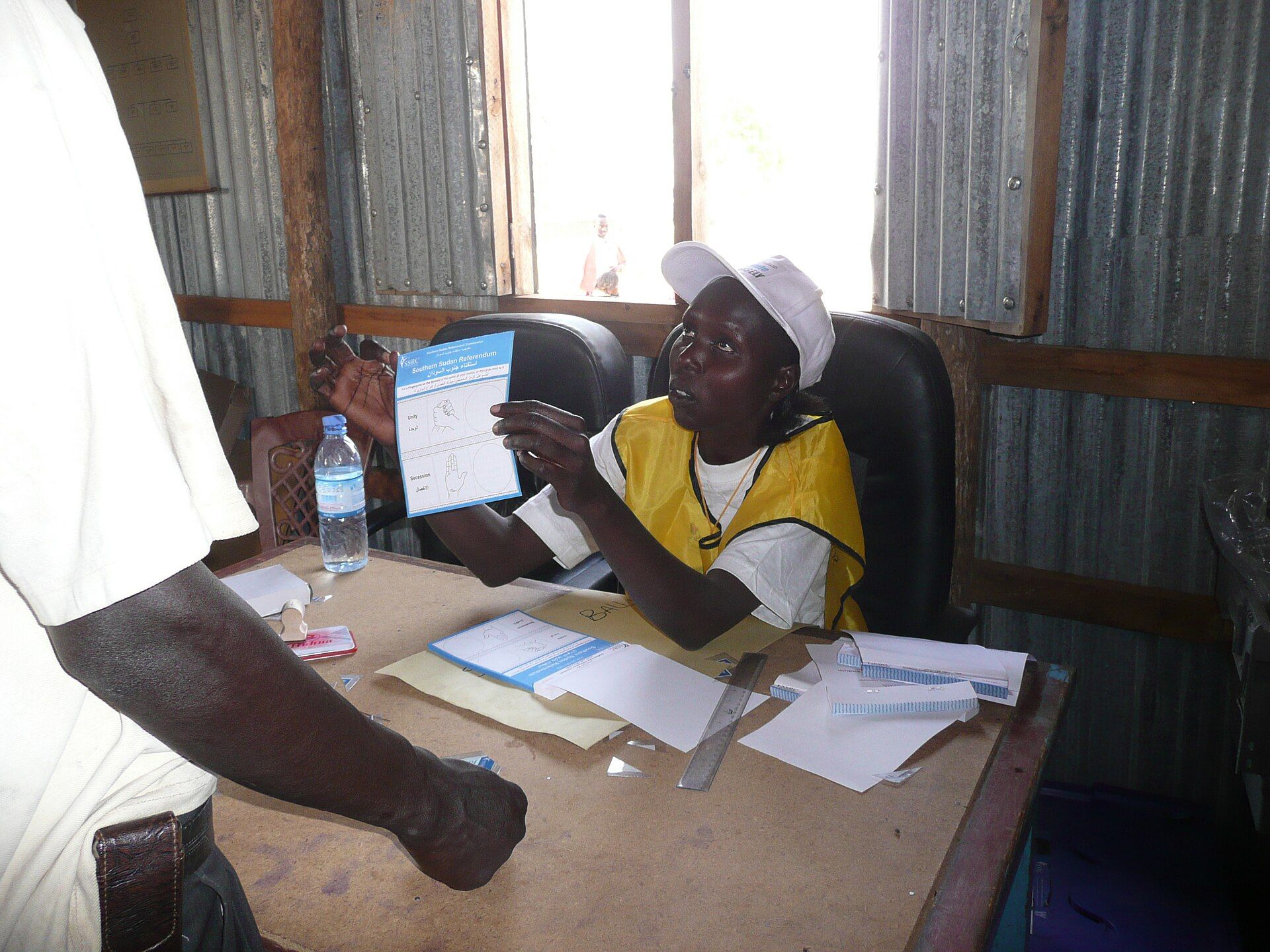
The sovereignty of South Sudan lies with its people, who expressed their will in the overwhelming vote for independence in the referendum of January 2011. The SPLM believes that the same principle must govern how power is held and transferred. As the country prepares for general elections, the Party is committed to an orderly and peaceful transition of power that follows the people's choice, and to democracy as “a practice and an ever perfecting culture, not a ritual.”

Fighting corruption
The Manifesto defines corruption broadly, from embezzlement, bribery and misappropriation of public funds to nepotism, favouritism and abuse of authority, and calls the fight against it one of the key pillars of good governance, to be waged with ever-increasing rigour. The SPLM stands firmly for integrity in public life, and commits to transparency and accountability so that national wealth is spent on schools, clinics and roads, not lost to private pockets.
Decentralisation without division
Bringing government closer to the people is part of the rule of law. The SPLM is committed to an effective system of decentralised governance for the delivery of services, reviewed regularly to keep it efficient, while ensuring that decentralisation is never used to entrench ethnic or religious chauvinism, parochialism or regionalism at the expense of national unity.
In the SPLM Manifesto
“The Constitution of the Republic of South Sudan shall be secular and the supreme law of the land… The SPLM, in order to secure justice to our citizens, shall guarantee the independence of the judiciary, and full adherence to the tenets of the rule of law.”
A just state is the one our martyrs fought for. Protecting it means that no one, whatever their office, stands above the law.