South Sudan is rich in land, water, livestock, forests and minerals, and under SPLM leadership that wealth now belongs to its own people. The SPLM's economic vision is to build a democratic developmental state that turns natural wealth into human capability, jobs and services, so that independence is felt in every household, not only in national statistics.
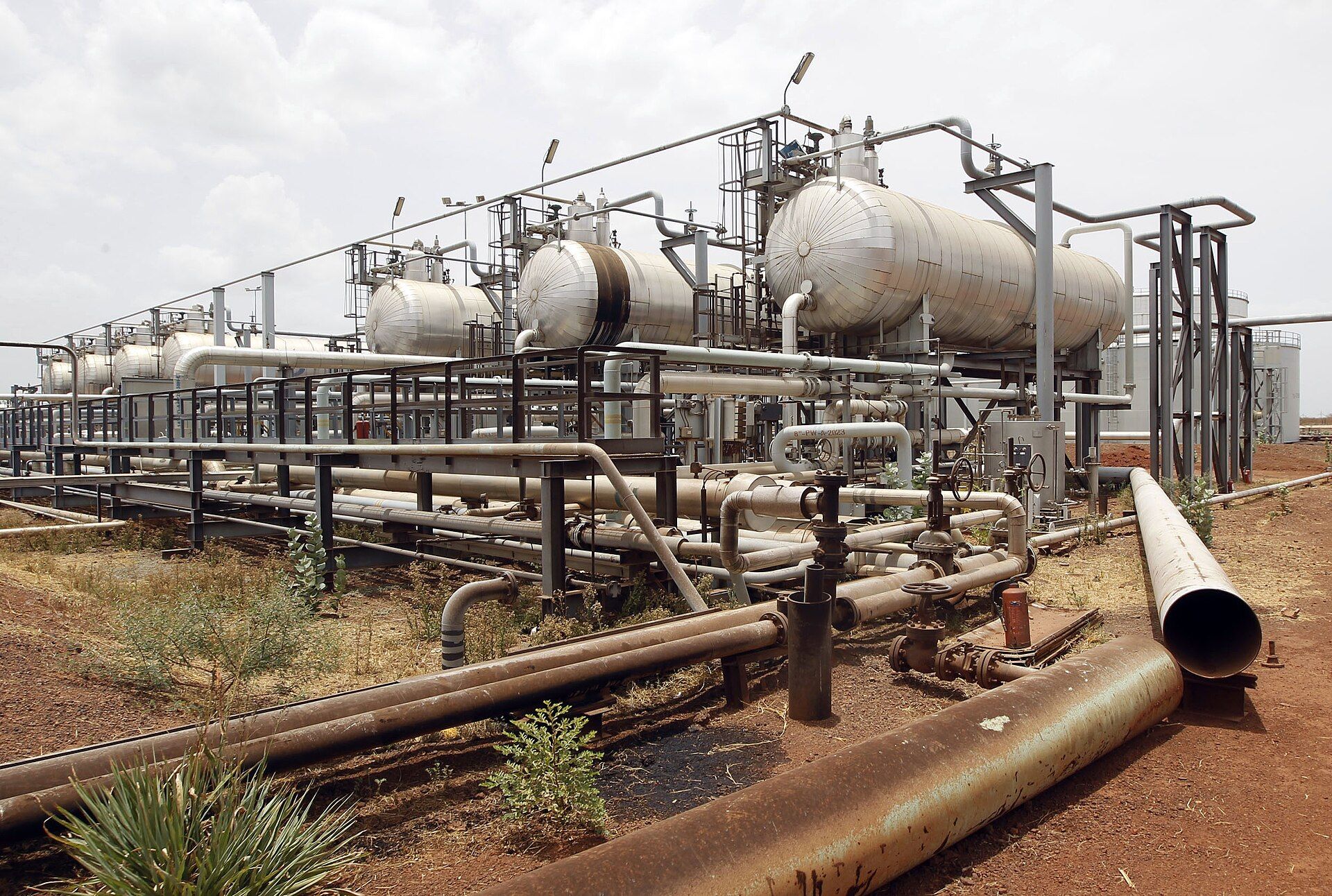
Oil revenue has funded the foundations of the new state since independence. The SPLM's plan is to use it to unlock the country's far greater wealth: the land and livestock on which more than 80% of our people already make their living. Diversifying the economy into agriculture, industry, trade and services is how South Sudan will grow strong and self-reliant.
Our economic model
The SPLM aspires to build a knowledge-based economy in the national interest, guided by a strong democratic government, development-focused leadership and merit-based management. Under this model the State plays a leading role in directing, regulating and incentivising both the public and private sectors, trade unions and other stakeholders, while relying on regulated markets that reward initiative and use scarce resources wisely.
Our priorities
- Transform agricultureInvest oil revenue in rural development and the modernisation of traditional farming, livestock, fisheries and forestry, so South Sudan feeds itself and exports its surplus.
- A Future Generations FundEstablish a Future Generations Fund from oil revenue, so that wealth from a finite resource is saved and invested for our children.
- Infrastructure that connectsRoads, power, water and telecommunications that link farmers to markets and states to one another, the foundation for every other kind of growth.
- Jobs and enterpriseWealth and job creation through small businesses, entrepreneurship, industrialisation and value-added processing of what we grow and extract.
- Taking towns to the peopleEquitable distribution of national wealth and basic services to rural communities, the founding SPLM idea of bringing development to where people live.
- Transparent public financeAccountable management of public money so every pound of national wealth is spent on development.
Agriculture: the backbone of a diversified economy
South Sudan has some of the most fertile land in Africa, the waters of the Nile and its tributaries, and one of the continent's largest livestock herds. The SPLM's development programme calls for investing the capital generated by oil to fuel rural development, the transformation of traditional farming, the growth of the agricultural sector and industrialisation. Better seeds, extension services, storage and feeder roads can turn subsistence farms into businesses, and farming communities into markets.


Investing in people
The Manifesto is clear that the true wealth of a nation lies in the capacities of its people. Our developmental objective therefore entails massive investment in human productive capacities, through education, health and skills, in order to eradicate poverty. A literate, healthy and skilled workforce is what allows a country to move from exporting raw materials to building industries, services and a knowledge economy.

A green and sustainable economy
South Sudan's forests, wetlands and wildlife are among the richest in Africa. The SPLM is committed to a sustainable green economy based on renewable energy, to the protection of our forests, wetlands and wildlife, and to managing natural resources fairly between communities and across generations, so that development benefits everyone, today and in the future.
In the SPLM Manifesto
“Critical to our developmental program is wealth and job creation, the equitable redistribution of the wealth of the nation and the provision of basic social services to all the people of South Sudan through the policy of taking towns to the people.”
Independence gave South Sudan ownership of its resources. The SPLM's task now is to make sure that ownership is felt by every citizen, in a job, a harvest, a business and a better life.